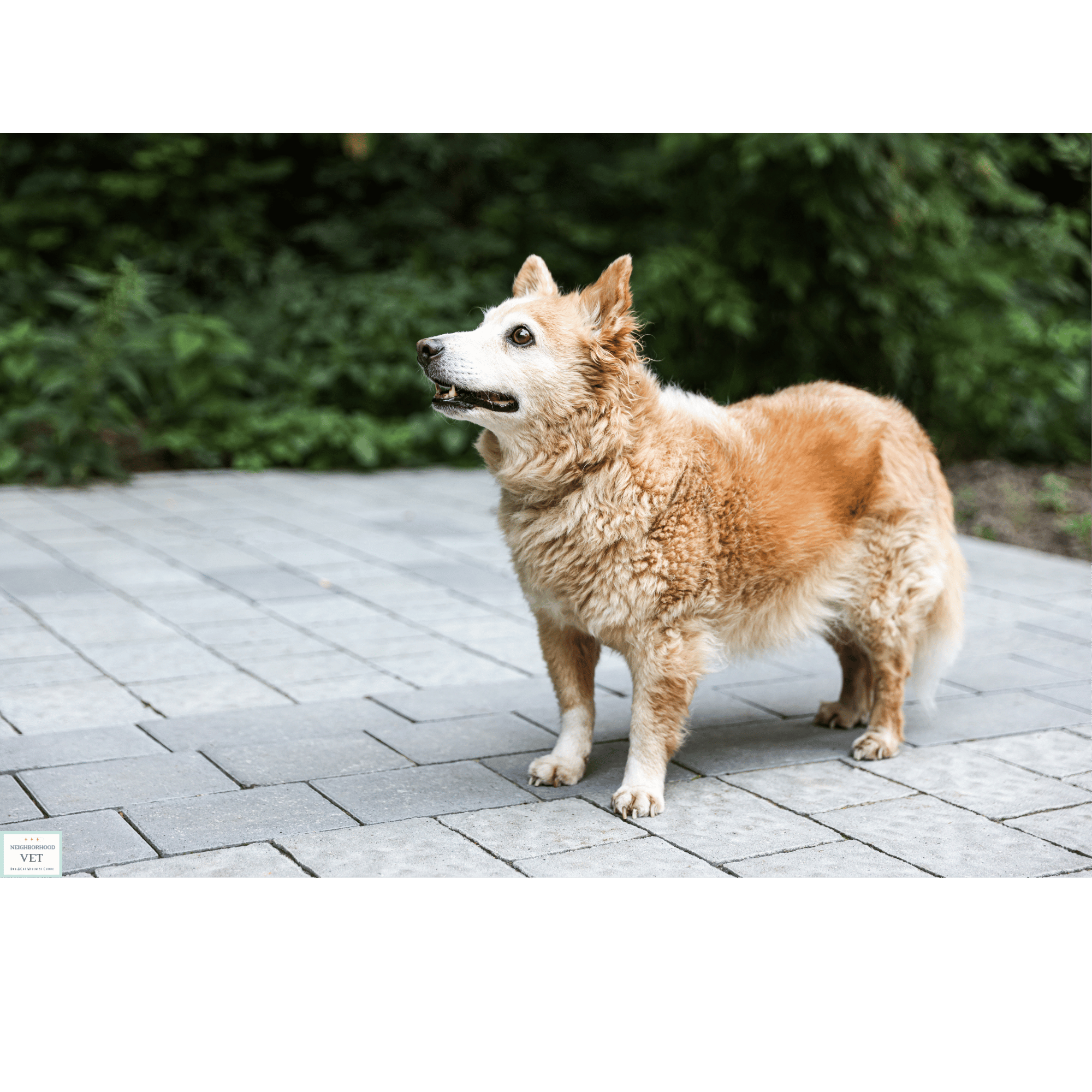
Senior Pet Care
Thanks to advancements in veterinary medicine and nutrition, pets are living longer than ever before. As our dogs and cats enter their senior years, their needs change—but with the right care, these can be some of the most rewarding stages of life.
The goal of senior care is simple: early detection, comfort, and quality of life. At Neighborhood Vet, we focus on proactive monitoring, personalized wellness plans, and practical support for the conditions that commonly affect aging pets. Our team tailors recommendations based on your pet’s lifestyle, medical history, and individual personality—because growing older should still feel good.
Senior & Geriatric Pet Care
-
At What Age Do Dogs & Cats Become A Senior?
Pets age faster than we do, and life stage depends on species and size.
General guidelines:
Senior:
Cats: around 10 years and older
Small dogs: around 9–11 years
Medium to large dogs: around 7–9 years
Geriatric:
Pets who have reached the later stage of their expected lifespan. These patients often benefit from closer monitoring and more frequent wellness evaluations to maintain comfort and function.As pets move into these stages, subtle changes can happen quickly, which is why proactive care becomes so important.
-
Mobility & Movement
Many pets slow down with age, but stiffness, difficulty rising, hesitation with stairs, or no longer jumping onto furniture are often signs of discomfort—not just “getting older.”
Common contributors include:
Arthritis
Muscle loss
Weight changes
Supporting mobility early helps pets stay active, confident, and engaged in their daily routines.
At Neighborhood Vet, mobility care starts with identifying pain early—often before there are obvious changes at home. During wellness visits, we assess gait, posture, joint range of motion, muscle condition, and body weight to look for subtle signs of discomfort.
Your pet’s plan may include:
Weight management
Even small amounts of weight loss can significantly reduce joint stress and improve energy and movement.Targeted nutrition and joint support
We recommend evidence-based diets and supplements that support joint health, maintain muscle mass, and reduce inflammation.Pain management plans
When needed, we create safe, individualized medication plans to keep pets comfortable while maintaining their normal daily activities.Lifestyle and home-environment modifications
Simple changes—like ramps, non-slip surfaces, low-entry litter boxes, or orthopedic bedding—can dramatically improve confidence and independence.Ongoing monitoring
Mobility changes over time. Regular check-ins allow us to adjust your pet’s plan so they continue to move comfortably as they age.Our goal isn’t just more movement—it’s comfortable movement that allows your pet to keep doing the things they love.
-
Cognitive & Behavioral Changes
As pets age, changes in brain function can affect sleep patterns, interactions, and daily routines. These shifts are often gradual and can be mistaken for normal aging.
You may notice:
Confusion or disorientation
Pacing or restlessness, especially at night
Increased vocalization
House-soiling in previously trained pets
Changes in social behavior or family interaction
These signs may be associated with age-related cognitive decline, underlying medical conditions, anxiety, vision or hearing changes, or discomfort.
At Neighborhood Vet, cognitive health starts with a thorough evaluation to rule out medical causes that can look like behavior changes. Pain, endocrine disease, kidney disease, and liver changes can all affect how a pet behaves and feels day to day.
Your pet’s plan may include:
Comprehensive labwork
to identify internal changes that impact brain function and behavior.Nutrition for brain health
including diets and supplements that support cognitive function and healthy aging.Environmental and routine support
predictable schedules, enrichment activities, and simple home adjustments that reduce anxiety and confusion.Comfort-focused care
because pets experiencing cognitive changes often also have underlying pain or sensory decline.Regular Check Ins
so we can adjust recommendations as your pet’s needs change. -
Organ Health & Function
As pets age, their internal organs work harder and may become less efficient. Many of these changes develop slowly and are not visible at home, which is why routine screening becomes one of the most important tools in senior care.
Common areas we monitor closely:
Kidney function
Liver health
Heart health
Thyroid and other hormone disorders
Diabetes risk
At Neighborhood Vet, we focus on establishing baseline values and tracking trends over time. Detecting subtle changes early allows us to begin supportive care before your pet feels sick.
Your pet’s plan may include:
Routine comprehensive labwork and urinalysis
to identify early disease and monitor progression over time.Therapeutic nutrition
with diets designed to support kidney, liver, metabolic, or cardiac health.Medication management when needed
with careful monitoring for safety and long-term success.Hydration and weight support strategies to maintain strength, energy, and muscle mass.
-
Changes in Senses
Vision, hearing, smell, and taste can all change as pets age. These shifts are often gradual and may first appear as behavior changes at home.
You may notice:
Less response to sounds
Startling more easily
Cloudiness in the eyes
Difficulty finding food or toys
Changes in appetite or food preferences
Increased clinginess or anxiety
At Neighborhood Vet, sensory changes are evaluated as part of the whole pet—not as isolated problems. Many pets adapt very well when these changes are recognized early and their environment supports their confidence.
Your pet’s plan may include:
Comprehensive eye and oral examinations to identify treatable conditions and sources of discomfort.
Dental care recommendations
because oral pain can significantly affect appetite and interest in food.Medical management when appropriate for conditions affecting the eyes, ears, or underlying health.
Nutrition and feeding strategy adjustments to maintain appetite and healthy weight.
Home-environment guidance
such as consistent furniture placement, improved lighting, and scent cues to help pets navigate comfortably.