Pet Insurance-Do you need it?
Pet insurance is something many pet owners are curious about — and often unsure where to start. As veterinary medicine advances and our pets live longer, healthier lives, planning ahead has become more important than ever. This blog shares why my own perspective on pet insurance has changed over time, what to consider when choosing a plan, and how insurance can help protect both your pet and your peace of mind.
Several years ago, my dog Addie tore her ACL and needed surgery. The total cost of her care was over $6,000. As a veterinarian, I understood every part of her treatment plan — why the surgery was necessary, what her recovery would involve, and how much better her quality of life would be afterward.
What caught me off guard was the financial impact.
Even with medical knowledge and preparation, it was a significant expense. Looking back, that experience was one of the moments that reshaped how I think about pet insurance. Not as something you hope to never use, but as protection for when life happens.

A Vet ER exam fee alone can be over $150.
Do you have a budget for unexpected pet illness?
I’ll be honest — for a long time, I didn’t fully see the value of pet insurance.
Like many veterinarians, my perspective was shaped by how veterinary medicine looked early in my career. I entered the profession at a time when care was more straightforward, options were limited, and expectations were different. While we always did our best for our patients, the reality was that there were fewer diagnostics, fewer specialty referrals, and fewer life-saving interventions available.
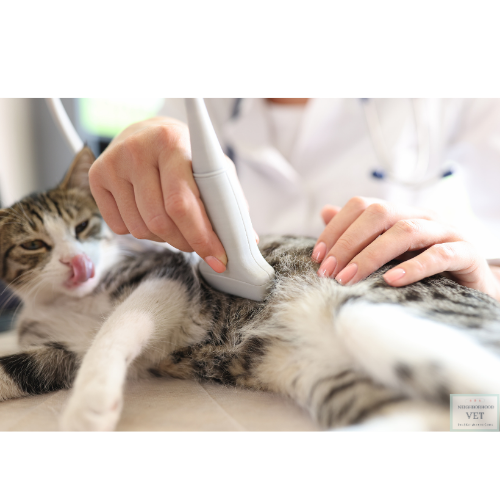
Today, veterinary medicine looks very different — and that evolution has been remarkable. Advanced imaging, in-house diagnostics, specialty hospitals, and innovative treatments have dramatically improved outcomes for pets. At the same time, pets have become deeply woven into our families. The human–animal bond is stronger than ever, and with that comes a desire to pursue the best possible care.
As medicine advances, so do the costs associated with providing that care. Technology, training, staffing, and specialty services all play a role. While these advancements are invaluable, they can also create financial stress for pet owners — especially when unexpected emergencies arise.
That’s where pet insurance has become increasingly important.
Why I’ve Changed My Perspective on Pet Insurance
Today, I strongly believe that having at least emergency medical coverage for your pet is key.
Pet insurance isn’t about planning for routine wellness care alone — it’s about preparing for the unexpected while understanding what type of coverage best fits your pet and your budget. Accidents, sudden illnesses, and emergencies don’t come with warning. When they happen, the last thing any pet owner wants is to be forced into making medical decisions based solely on cost.
Pet insurance can help:
Offset the high cost of emergency and specialty care
Provide peace of mind during stressful situations
Allow decisions to be based on what’s best for your pet, not just finances
Important Considerations Before Choosing a Policy
Pet insurance is not one-size-fits-all. Taking the time to research and understand what each plan offers — and what it doesn’t — is essential.
1. Apply Before You Get Your Pet (or As Early as Possible)
Pet insurance works best when started early. Coverage obtained before illness or injury occurs helps avoid exclusions and ensures the most comprehensive protection over your pet’s lifetime.
2. Understand Pre-Existing Conditions
Most pet insurance plans do not cover pre-existing conditions. If your pet has already been diagnosed with a condition — especially chronic or non-curable diseases — it’s important to carefully review what will and will not be covered.
3. Plan for Chronic and Non-Curable Diseases
Conditions such as allergies, arthritis, diabetes, or certain gastrointestinal disorders often require lifelong management. Some plans offer better long-term coverage than others, so reading the fine print truly matters.
Preventative Coverage vs. Emergency Coverage
When researching plans, one of the most important decisions is understanding the difference between preventative (wellness) coverage and accident & illness (emergency) coverage.
Preventative or wellness plans typically help cover routine care such as vaccines, annual exams, heartworm testing, and preventative medications. These plans can be helpful for budgeting predictable expenses but are often offered as add-ons.
Accident and illness plans focus on unexpected events — emergencies, hospitalizations, diagnostics, and specialty care. From a medical standpoint, this is where insurance can make the biggest impact by protecting against large, unplanned costs.
Many families choose a plan that prioritizes emergency and illness coverage and pay for routine care separately. Others prefer bundled coverage for convenience. The right choice depends on your pet’s age, breed, health history, and your financial goals.
Pet Insurance Companies I Trust
While there are many options available, these are three pet insurance providers I consistently recommend for their reputation, coverage options, and reliability:
ASPCA Pet Health Insurance
A well-established provider offering customizable plans and broad coverage options. ASPCA plans are known for flexibility and solid reimbursement structures.
Trupanion
Trupanion is especially well-known for covering hereditary and congenital conditions and offering direct payment to many vet hospitals including Neighborhood Vet. This can be a huge relief in urgent situations.
Pumpkin
Pumpkin is frequently ranked among the top pet insurance providers. Their for plans are known for clear coverage details, coverage for many hereditary conditions, and a strong focus on long-term health needs.
How Pet Insurance Fits with Primary Veterinary Care
At Neighborhood Vet, our focus is on primary and preventative care — physical exams, vaccines, routine testing, preventative medications, and education. We aim to keep your pet healthy and catch issues early. When advanced diagnostics, emergency care, or specialty treatment is needed, we serve as your point of entry and help guide you to the appropriate next step.
Pet insurance complements this model beautifully. By removing financial barriers to advanced care, it allows us — and specialty teams — to work together in your pet’s best interest.
Key Takeaways: Pet Insurance at a Glance
Pet Insurance Summary
Pet insurance is most valuable for unexpected accidents, illnesses, and emergencies.
Enrolling early in your pet’s life helps avoid exclusions related to pre-existing conditions.
Most plans do not cover pre-existing or non-curable diseases, so reviewing policy details is essential.
Preventative (wellness) plans help with routine care but are often optional add-ons.
Emergency and illness coverage provides the greatest financial protection during critical situations.
The best plan is one that aligns with your pet’s needs, your budget, and your comfort level with risk.
Final Thoughts
Pet insurance isn’t right for every situation, but for many families, it can be a powerful tool in protecting both their pet and their peace of mind. Veterinary medicine will continue to evolve, and our pets will continue to benefit from those advancements. Planning ahead helps ensure they can access the care they deserve when they need it most.
I encourage all pet owners to explore their options, ask questions, and choose coverage that aligns with their goals and their pet’s needs.
We look forward to caring for you and your pet at Neighborhood Vet.
— Dr. Kinsey
Digging Into Pet Insurance By ASPCA